
In our latest interview with a PhD student in climate, PLOS Climate speaks to Krishna Girish of the BioDICée group at ISEM…
PLOS Climate PhD interview: Nick Baumgart
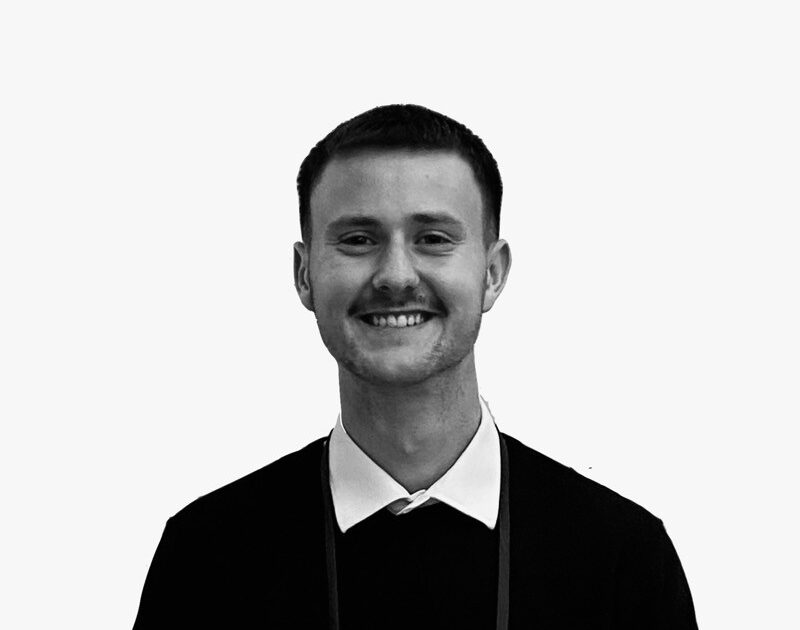
For our next interview with a PhD student in climate, PLOS Climate speaks to Nick Baumgart of the University of Copenhagen.
What did you study before your PhD, and why did you decide to go on to do a PhD?
I never know whether to call myself a climate scientist, a disaster risk or global health researcher, I am probably all three in parts. I do not have a background in traditional climate science, physics, meteorology, or atmospheric science. I started with a transdisciplinary BSc covering the Sustainable Development Goals, which included many climate change aspects of course, but I majored in Global Health, Social Psychology, and Development Economics. I then continued with an MSc in Global Health in Copenhagen, where I tied in as many climate aspects as possible. Through internships with the Copenhagen Center for Disaster Research at the University of Copenhagen and the Red Cross Climate Center, I found my passion: research with close societal relevance, sitting at the intersection of global health, disaster science, and social climate science. This PhD at the Global Health Section in Copenhagen, allows me to connect these variety of themes.
Could you tell us about your project? What are the key questions you’re hoping to address, and what methods/approaches are you using?
The wider project focuses on integrating climate attribution science and vulnerability and exposure analysis in a better way in Kenya and is financed by the Danida Fellowship Centre, Denmark. Climate attribution science helps in determining how much more likely and extreme a particular hazard, for example, a heatwave, drought, or flood has become due to human-caused climate change. Vulnerability and exposure analysis, meanwhile, is more grounded in social science, exploring what factors predispose certain population groups and the environment to more adverse impacts than others. The project attempts to bring these two disciplines closer together relying on an interdisciplinary team of physical and social climate scientists. As one of the social climate scientists, I explore how vulnerability and exposure factors shape heat impacts in informal settlements (“slums”) in Nairobi and Mombasa. Together with the communities we get a better understanding of how living environments, occupation, or societal roles shape heat-related health impacts, alongside the ways people have adapted. Besides interviews and focus groups, we will conduct community-led neighborhood mapping to capture spatial factors like shade, water access or healthcare access that facilitates or complicates staying healthy and influences overall wellbeing. As an outsider of the community, I will work and collaborate with the Kenyan Red Cross and the Kenya Meteorological Department and the University of Nairobi. We aim to move beyond producing academic outputs and contribute in other ways for bigger societal impact.
What excites you most about your project, and about the wider field?
I am trying to be cautious describing my research as “exciting”. I do research with communities that face everyday hardship and are at the forefront of climate change. While I am passionate about my research and I do feel excitement as one of many emotions, it can also be challenging causing anger or sadness, seeing the world around us. That being said, what brings some form of excitement and drives me is when I see moments of reserved optimism, hope and agency. People are not helpless but seeing and hearing about the ways in which people have adapted, cope and build “resilience” as communities is encouraging. As a researcher, you can amplify those efforts and work towards translating your insights into existing community action and, hopefully, contributing to systemic change through policies.
At a global scale I am excited or encouraged by the media attention climate attribution science is receiving, for example through near real-time extreme event analysis by World Weather Attribution. The potential for climate science in all aspects to support climate litigations globally shows the importance of my PhD and our project more broadly.
Where you would like to take your career next?
It is too early to say definitively whether I will stay in academia or move into the NGO, humanitarian, or development world. What matters most to me is that research and its translation into societal impact remain central. If I stay in academia, it would be on projects that reach beyond academic articles and stay grounded in local realities. If I join an organization, I want to contribute as a researcher and work toward science-based implementation of projects. Either way, I hope to consolidate my expertise on climate change and health in the Kenyan or East African context. The region is extraordinarily rich with fantastic collaborators, and from a climate science perspective brings complexity. The region has a fascinating social, cultural, and political fabric that leave no shortage of important questions to explore and contribute where relevant. And on a personal note, I am learning Kiswahili and would like to put it to best use.
What are your thoughts on the future of climate research?
Climate research has made tremendous progress in recent decades, but I fear it may have passed its peak of political “hype”. Commitments and priorities are shifting in many places toward national conservatism, populism and short-term economic thinking, away from the long-term, globally coordinated efforts that climate action demands. That is not to say climate research is dying out or becoming irrelevant. Our work is even more important in this world. But I think we as climate scientists need to fight harder than before. We need to be proactive in finding windows of opportunity to communicate our science and influence policy, rather than waiting for political interest and goodwill to come to us. To do that effectively, the field needs to go further with meaningful interdisciplinary collaborations, understanding complexity from different angles. Health, for example, still commands strong political backing and can be a powerful entry point to unpack the true and full picture of impacts. Beyond politics, our science can have local impact if we design for it from the start. That means confronting blind spots, particularly the persistent underrepresentation of the Global South colleagues, and even places in climate research and not shying away from imperfect data or difficulty in access. In my opinion, too much effort reproduces existing evidence in the Global North, while too little uncovers evidence gaps where they matter most.